


 English English
 Views: 0 Author: Site Editor Publish Time: 2026-03-10 Origin: Site


The global push toward a circular economy has transformed the recycling industry from a niche environmental effort into a high-stakes industrial necessity. As metal consumption continues to rise across construction, automotive, and manufacturing sectors, the volume of waste generated demands sophisticated processing solutions. This is where the industrial scrap metal shredder steps in as the backbone of modern recycling facilities, providing the raw power needed to downsize bulky materials into manageable, high-value furnace-ready scrap.
A scrap metal shredder machine is a heavy-duty industrial system designed to break down large metal waste—such as car bodies, appliances, aluminum extrusions, and steel drums—into smaller, uniform pieces through shearing, tearing, and crushing actions. By using high-torque rotors and hardened steel blades, an industrial scrap metal shredder facilitates efficient sorting, increases bulk density for transport, and prepares materials for secondary smelting, making it an essential asset for maximizing profitability in metal recovery operations.
Understanding the nuances of metal size reduction is crucial for any facility aiming to optimize its workflow. From improving the efficiency of downstream separation equipment to reducing the carbon footprint associated with logistics, the impact of a high-performance shredder machine for metal cannot be overstated. The following comprehensive guide explores the technical specifications, operational benefits, and diverse applications of these machines in the modern industrial landscape.
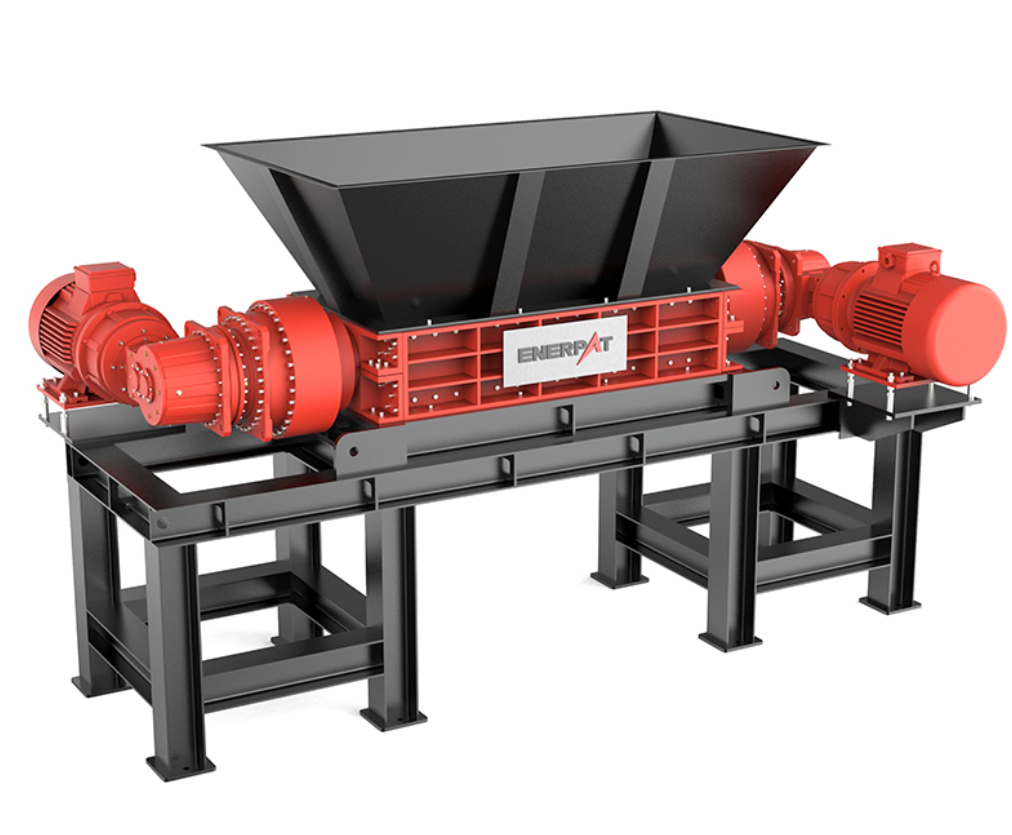
An industrial scrap metal shredder operates by utilizing high-torque, low-speed rotation to feed material through a series of interlocking hardened steel blades that shear, tear, and fracture metal waste into smaller fragments.
The mechanical process begins when bulky metal waste is loaded into the hopper. Unlike high-speed grinders that rely on impact, an industrial scrap metal shredder typically employs a twin-shaft or multi-shaft design. These shafts rotate toward each other at different speeds, creating a powerful "hook and shear" action. This design is particularly effective for heavy-duty applications because it prevents the machine from jamming on resilient materials like steel beams or thick aluminum plates. The heavy-duty knives grab the material and pull it into the cutting chamber, where the pressure exceeds the structural integrity of the metal, causing it to fail and break apart.
Behind the scenes, the power distribution is managed by advanced hydraulic or electric drive systems. For the most demanding scrap metal environments, a hydraulic drive is often preferred as it allows for instantaneous torque adjustments and automatic reversal functions. If the shredder machine for metal encounters an unshreddable object, the PLC (Programmable Logic Controller) detects a spike in pressure and reverses the shafts to clear the obstruction, protecting the internal components from damage.
The final output size is determined by the width of the blades and the configuration of the sizing screens located beneath the cutting chamber. In a sophisticated scrap metal grinder setup, the material may pass through several stages of shredding—moving from a primary shredder for initial downsizing to a secondary granulator for fine refining. This multi-stage approach ensures that the final product meets the specific density and size requirements of steel mills and foundries.
The primary benefits of implementing a shredder machine for metal include a significant increase in material bulk density, the liberation of trapped non-metallic contaminants, and a substantial reduction in logistical expenses through optimized volume management.
One of the most significant hurdles in metal recycling is the presence of mixed materials. For instance, a car door is not just steel; it contains plastic, glass, and copper wiring. An industrial scrap metal shredder breaks these composite items down into small pieces, "liberating" the different materials. Once shredded, the waste can be passed through magnetic separators, eddy current separators, and air classifiers. This results in a much higher grade of clean ferrous or non-ferrous scrap, which commands a premium price on the global market.
Shipping "air" is the enemy of profitability in the recycling world. Unprocessed scrap, such as hollow drums or light-gauge aluminum siding, takes up immense volume while weighing very little. By using a shredder machine for metal, facilities can transform loose, bulky waste into dense, uniform nuggets. This increases the weight-to-volume ratio, allowing companies to load more tons into each shipping container or truck, effectively slashing transportation costs by up to 60% or more.
Foundries and steel mills require scrap that melts quickly and consistently. Large, irregular pieces of scrap can cause "bridging" in the furnace, leading to uneven heating and potential damage to the refractory lining. Shredded metal, often referred to as "frag" or "shred," flows easily into furnaces and melts more efficiently due to its increased surface area. This reduces energy consumption during the smelting process, making the industrial scrap metal shredder a vital tool for environmental sustainability.
Benefit Category | Impact on Operations | Economic Value |
Volume Reduction | 3:1 to 10:1 reduction ratio | Lower freight and storage costs |
Material Purity | Removes plastics and coatings | Higher scrap resale value |
Energy Savings | Reduced melting time in foundries | Lower utility bills and carbon credits |
A high-performance scrap metal grinder is defined by its use of specialized alloy steel blades, heavy-duty planetary gearboxes for torque multiplication, and intelligent control systems that prevent motor burnout during heavy loading.
The heart of the scrap metal grinder is the blade set. In an industrial setting, these blades are subjected to extreme abrasion and impact. High-tier machines utilize heat-treated alloys such as D2 or H13 tool steel, which are specifically engineered to maintain a sharp edge while resisting chips and cracks. The geometry of the blade—the number of "hooks" and the thickness of the disc—is customized based on the specific type of scrap being processed, whether it is light aluminum cans or heavy structural steel.
Beyond the cutting chamber, the drive train is the most critical element. To process tough industrial waste, a shredder machine for metal requires immense torque. This is achieved through the use of planetary gearboxes, which provide high gear ratios in a compact footprint. These gearboxes are often coupled with high-efficiency Siemens or ABB motors. The synergy between the motor and the gearbox ensures that the industrial scrap metal shredder can maintain a consistent throughput even when faced with dense, high-resistance materials.
Structural integrity is the final pillar of a quality machine. The frame of an industrial scrap metal shredder must be constructed from thick, welded steel plates to absorb the vibrations generated during operation. Furthermore, the inclusion of an automated lubrication system ensures that the main bearings stay cool and friction-free, extending the service life of the machine and reducing the frequency of manual maintenance intervals.
Industrial scrap metal shredders are utilized across various sectors including automotive recycling, e-waste processing, manufacturing waste management, and municipal solid waste treatment to convert hazardous or bulky debris into reusable raw materials.
The automotive sector is perhaps the largest user of shredder machine for metal technology. End-of-life vehicles (ELVs) are complex assemblies of steel, aluminum, and copper. Large-scale shredders can process an entire car chassis in seconds, facilitating the recovery of valuable metals that would otherwise end up in landfills. This application is essential for meeting international "End-of-Life Vehicle" directives that mandate high recovery percentages for car manufacturers.
E-waste is the fastest-growing waste stream globally. Computers, servers, and mobile devices contain precious metals like gold and silver, but they are encased in plastic and aluminum. A specialized scrap metal grinder designed for e-waste uses precision cutting to break down circuit boards and casings without vaporizing the valuable components. This allows for high-accuracy downstream sorting using X-ray or optical sensors.
Factories producing metal products—such as window frames, engine components, or metal packaging—generate a significant amount of "prompt scrap." Instead of selling this loose waste for low prices, many manufacturers install an on-site industrial scrap metal shredder. By shredding their own production waste, they can bale it or briquette it, making it easier to transport back to the smelter for a closed-loop manufacturing process.
Metal drums that once held chemicals or oil cannot be recycled until they are shredded and cleaned. A shredder machine for metal equipped with explosion-proof motors and nitrogen purging systems can safely downsize these containers. Once shredded, the metal pieces can be thoroughly washed and decontaminated, turning a hazardous liability into a clean, recyclable commodity.
Selecting the ideal scrap metal grinder requires an assessment of the material’s shear strength, the desired hourly throughput, and the specific requirements for the final output size used by your downstream buyers.
When evaluating an industrial scrap metal shredder, the first question should always be about the material. Not all shredders are created equal; a machine designed for aluminum shavings will likely fail if fed heavy steel rebar. You must match the "Shear Force" of the machine to the "Tensile Strength" of your toughest material. For high-volume operations, a large twin-shaft shredder machine for metal with a wide hopper is necessary to keep up with front-end loaders. Conversely, for smaller specialized labs or jewelry waste, a compact scrap metal grinder may be more cost-effective.
The "Throughput vs. Power" ratio is another critical metric. An industrial scrap metal shredder consumes a significant amount of electricity. Choosing a machine with VFD (Variable Frequency Drive) technology can help manage energy costs by adjusting the motor speed to match the load. This ensures that you aren't running at full power when processing lighter materials, but still have the "punch" necessary for heavier cycles.
Finally, consider the maintenance accessibility. Because the scrap metal grinder is a wear-intensive machine, blades will eventually need to be replaced or built back up with welding. Look for designs that feature "easy-access" chambers or modular shaft assemblies. A machine that requires three days of teardown just to change a blade will cost more in downtime than the initial savings of a cheaper model.
Shredder Type | Best Suited For | Key Feature |
Single-Shaft | Thin aluminum, copper wire, plastics | High-speed, fine output size |
Twin-Shaft | Car bodies, steel drums, tires | High torque, low dust/noise |
Four-Shaft | E-waste, uniform sizing needs | Integrated screen for precision |
Hammer Mill | Brittle metals, cast iron | High impact, density focused |
Adhering to strict maintenance and safety standards for an industrial scrap metal shredder involves regular blade inspection, hydraulic fluid monitoring, and the enforcement of rigorous Lock-Out-Tag-Out (LOTO) procedures during all service intervals.
Daily inspections are the first line of defense against catastrophic failure. Operators should check for loose bolts, leaks in hydraulic lines, and signs of excessive wear on the cutting teeth. In a high-volume industrial scrap metal shredder environment, even a small piece of "unshreddable" hardened tool steel accidentally entering the chamber can cause a fracture if the safety sensors are bypassed. Ensuring that the auto-reverse and emergency stop buttons are functional is non-negotiable for site safety.
Blade maintenance is the most frequent requirement for any shredder machine for metal. Depending on the abrasiveness of the scrap, blades may need to be "hard-faced" or sharpened every few hundred hours. Using a scrap metal grinder with dull blades increases the heat generation and puts unnecessary strain on the motor and gearboxes. Modern facilities often keep a spare set of shafts ready to swap in, allowing the worn set to be refurbished offline without stopping production.
Lastly, training is paramount. An industrial scrap metal shredder is a powerful piece of machinery that can be dangerous if mishandled. Staff must be trained to recognize the sounds of a healthy machine versus one that is struggling. Proper feeding techniques—avoiding "slug-loading" or overfilling the hopper—will ensure a steady flow of material and prevent the thermal overloads that lead to premature component failure.
Unlike generic shredding equipment, ENERPAT metal shredders are engineered for demanding scrap metal applications where throughput, durability, and operating stability directly affect profitability. ENERPAT machines use a hydraulic drive system with low-speed, high-torque performance, allowing them to process high-hardness materials such as car bodies, scrap steel, die-cast aluminum, and stainless steel more efficiently while reducing the risk of jamming and excessive wear. Depending on the model and material type, ENERPAT metal shredders can handle approximately 15–35 tons per hour, making them suitable for both medium-scale and high-capacity recycling operations.
Another major advantage is component quality and long-term operating reliability. ENERPAT equips its metal shredders with Siemens or Schneider PLC control systems for stable operation, overload protection, and more user-friendly machine management. Its high-strength alloy steel blades are designed for strong wear resistance and impact durability, with some product pages stating a service life of 20,000–30,000 tons of processed scrap metal under suitable conditions. This helps reduce maintenance frequency and improve overall equipment uptime.
From a business perspective, ENERPAT also offers strong project support beyond the machine itself. The company highlights free material testing, design solution support, after-sales technical assistance, CE and ISO certifications, a 1-year machine warranty, and a 5-year motor warranty on selected models. For recyclers and scrap processors, this means lower investment risk, more predictable operating costs, and greater confidence when choosing a metal shredder for long-term production use.
The role of the industrial scrap metal shredder in modern industry extends far beyond simple waste reduction. It is a sophisticated piece of engineering that enables the global metal market to remain sustainable and profitable. By investing in a high-quality shredder machine for metal, recycling facilities can achieve higher purity levels, lower operational costs, and contribute to a greener future. Whether you are processing light aluminum or heavy industrial steel, the right scrap metal grinder is the key to unlocking the true value of metal waste. As technology advances, these machines will continue to become more efficient, integrated with AI-driven sorting, and essential for the evolving circular economy.


